 AR
AR EN
EN

 Uncategorized
NEOM for the Next Generation: Learning from the Land Before the Book
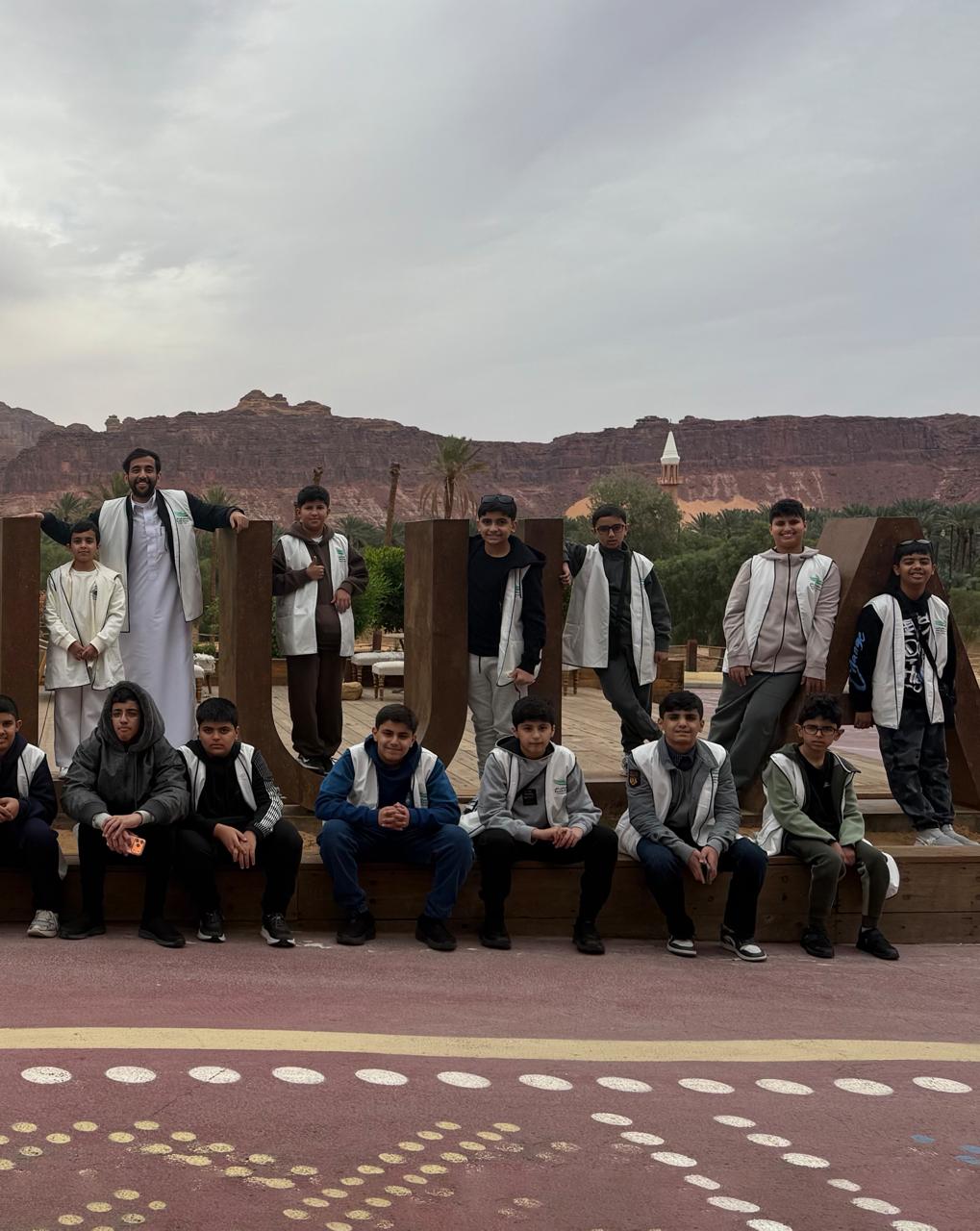
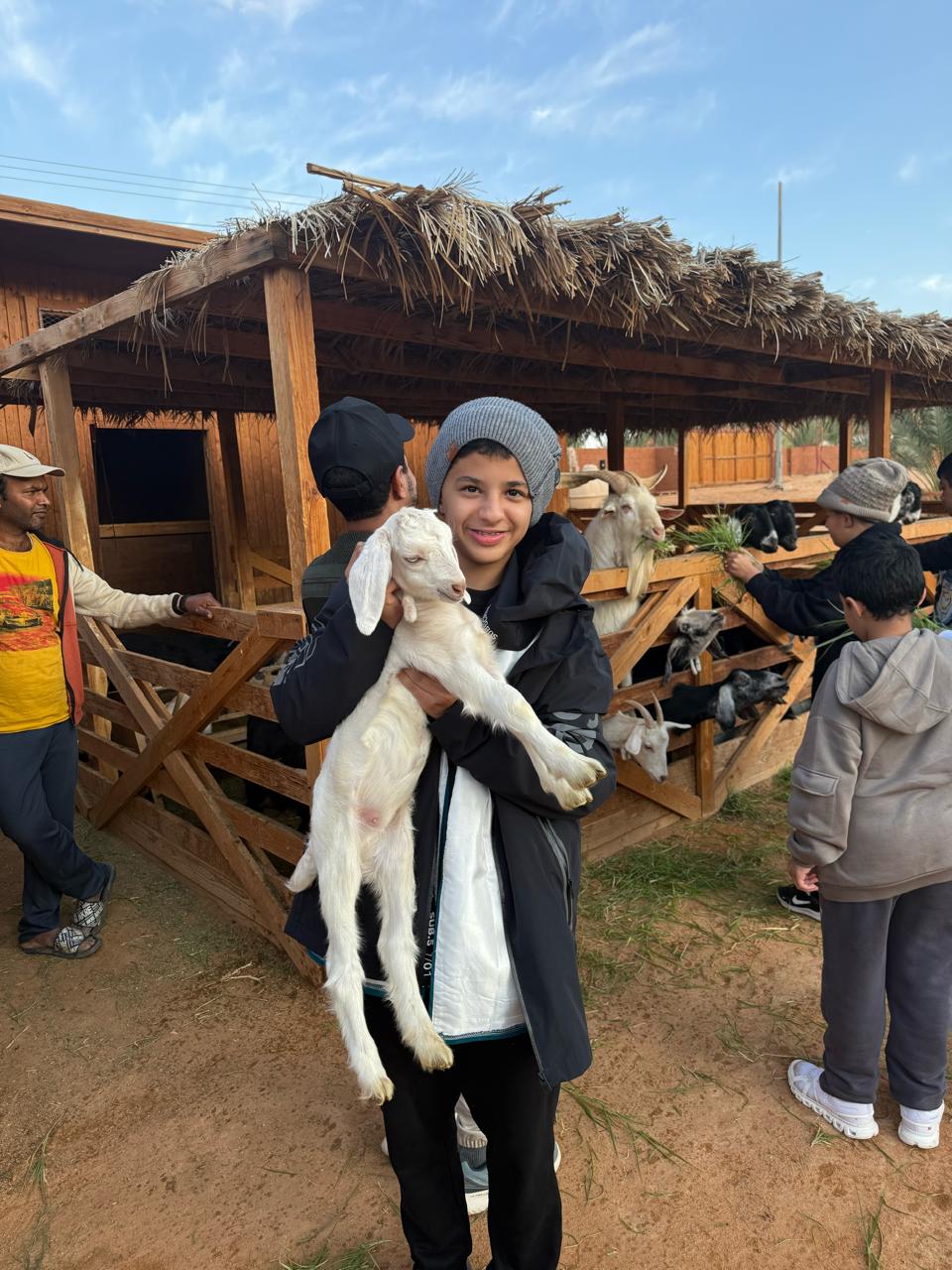
At the heart of the NEOM project, where the city of the future is taking shape, Pangaea makes sure that children of NEOM’s employees and communities have an equally meaningful presence in nature — one that matters just as much as their presence at school. With this in mind, Pangaea regularly organizes the “NEOM Communities” program, an initiative for children of NEOM employees and schools that combines adventure and learning in one experience.
The Idea Behind the Program
The program organizes a variety of recurring trips for children of NEOM employees, including:
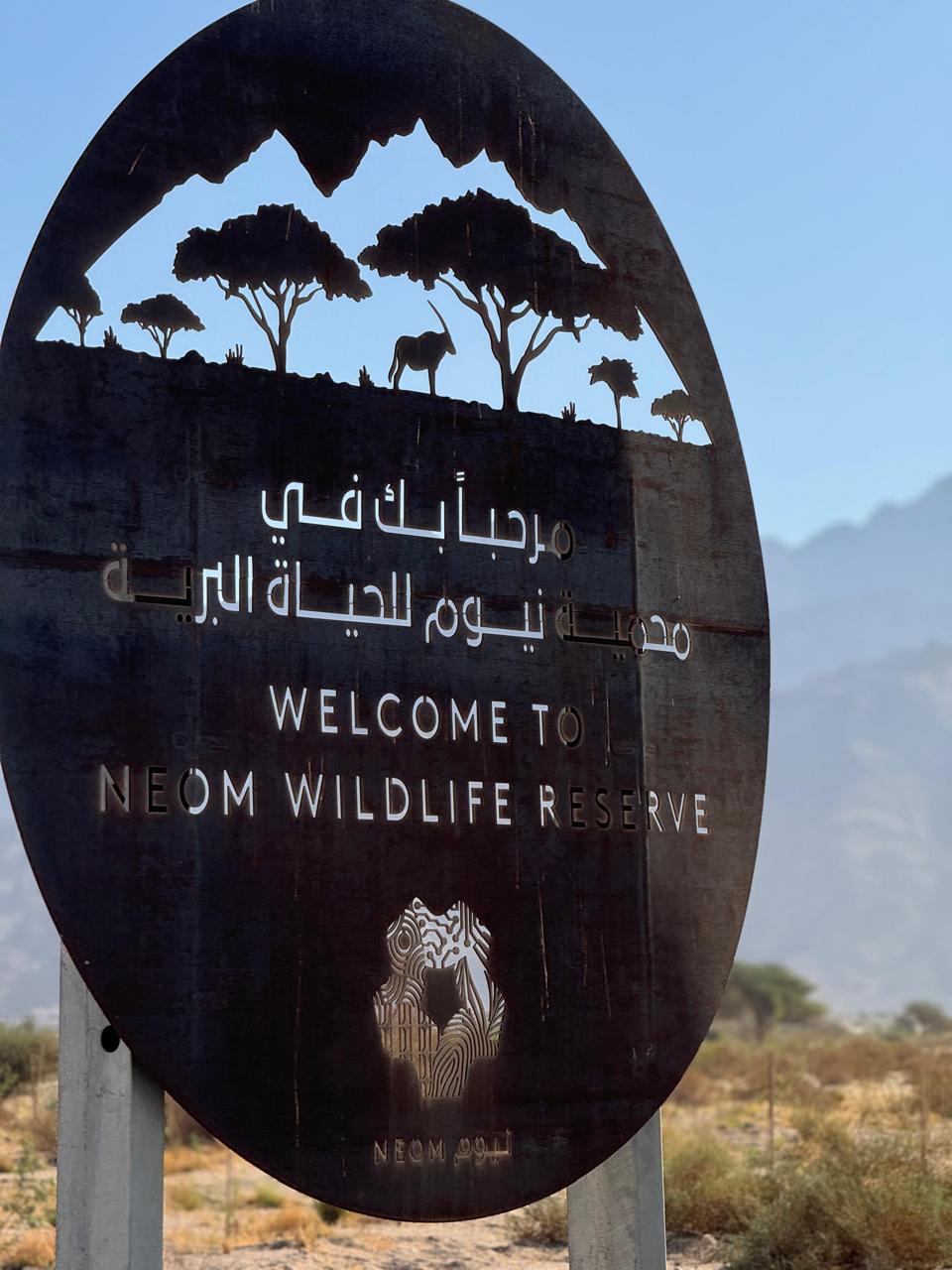
Nature Reserve Visits
Introducing children to the region’s biodiversity up close.
Safari Trips
Exploring the desert in an exciting and safe way.
Mountain Hiking
Simple physical activity that builds fitness and confidence.
Camping
A night or more under the stars, away from everyday comforts.
More Than Just a Trip
What sets “NEOM Communities” apart is that it goes beyond recreational activities to instill environmental awareness in children from an early age. During the trips, participants learn the principle of “Leave No Trace,” one of the most important environmental conservation concepts worldwide, teaching children how to enjoy nature without harming it.
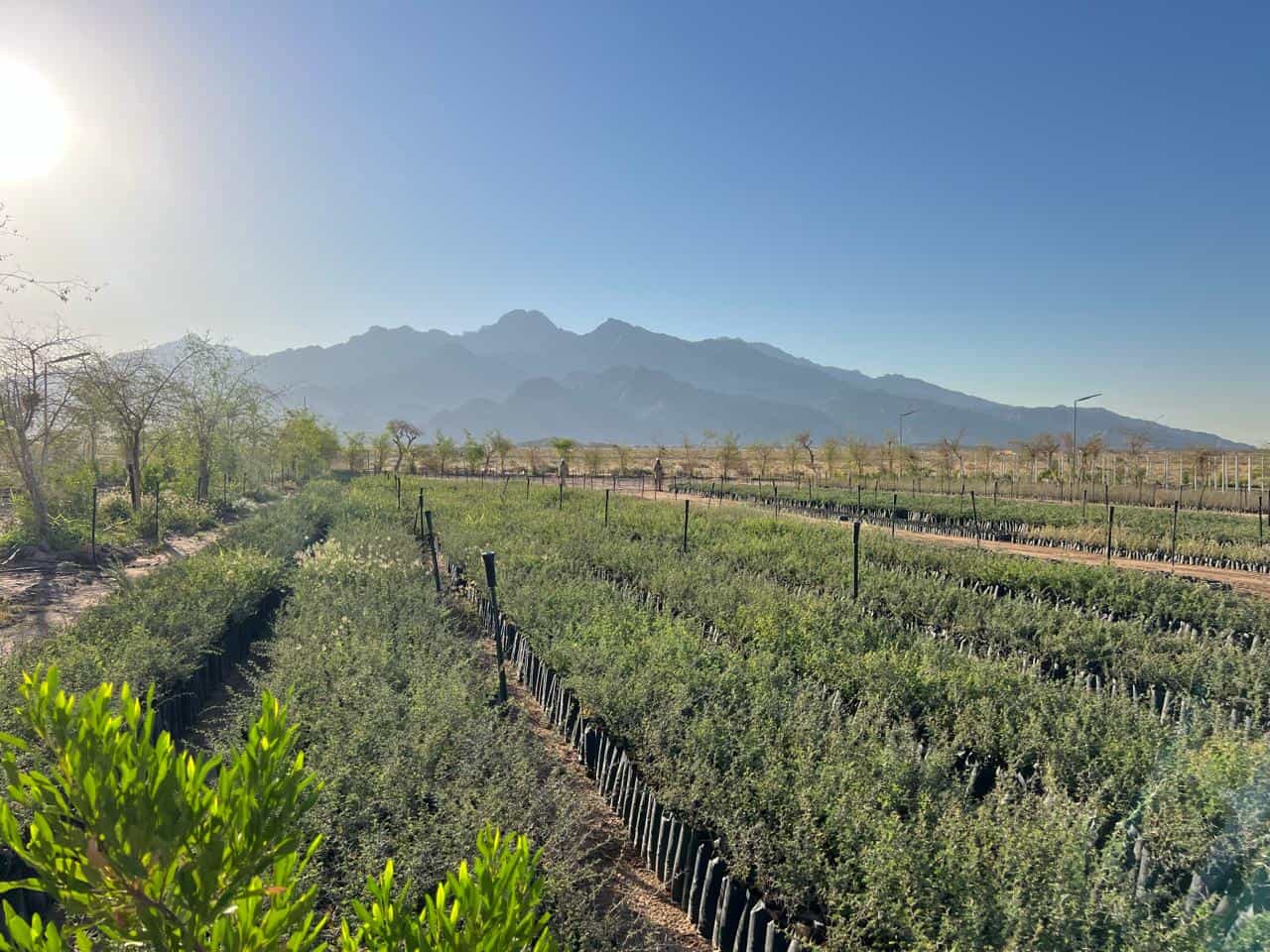
These trips also give children the chance to learn about local wildlife, most notably the Arabian oryx, one of the most iconic symbols of wildlife in the Arabian Peninsula, along with its environmental and cultural significance.
A Wide-Reaching Impact
Since its launch, the “NEOM Communities” program has reached 1,500 participants among employees’ children and schools, making it one of Pangaea’s broadest programs in terms of beneficiaries reached. That number reflects a strong commitment to connecting NEOM’s next generation with their natural environment from an early age.
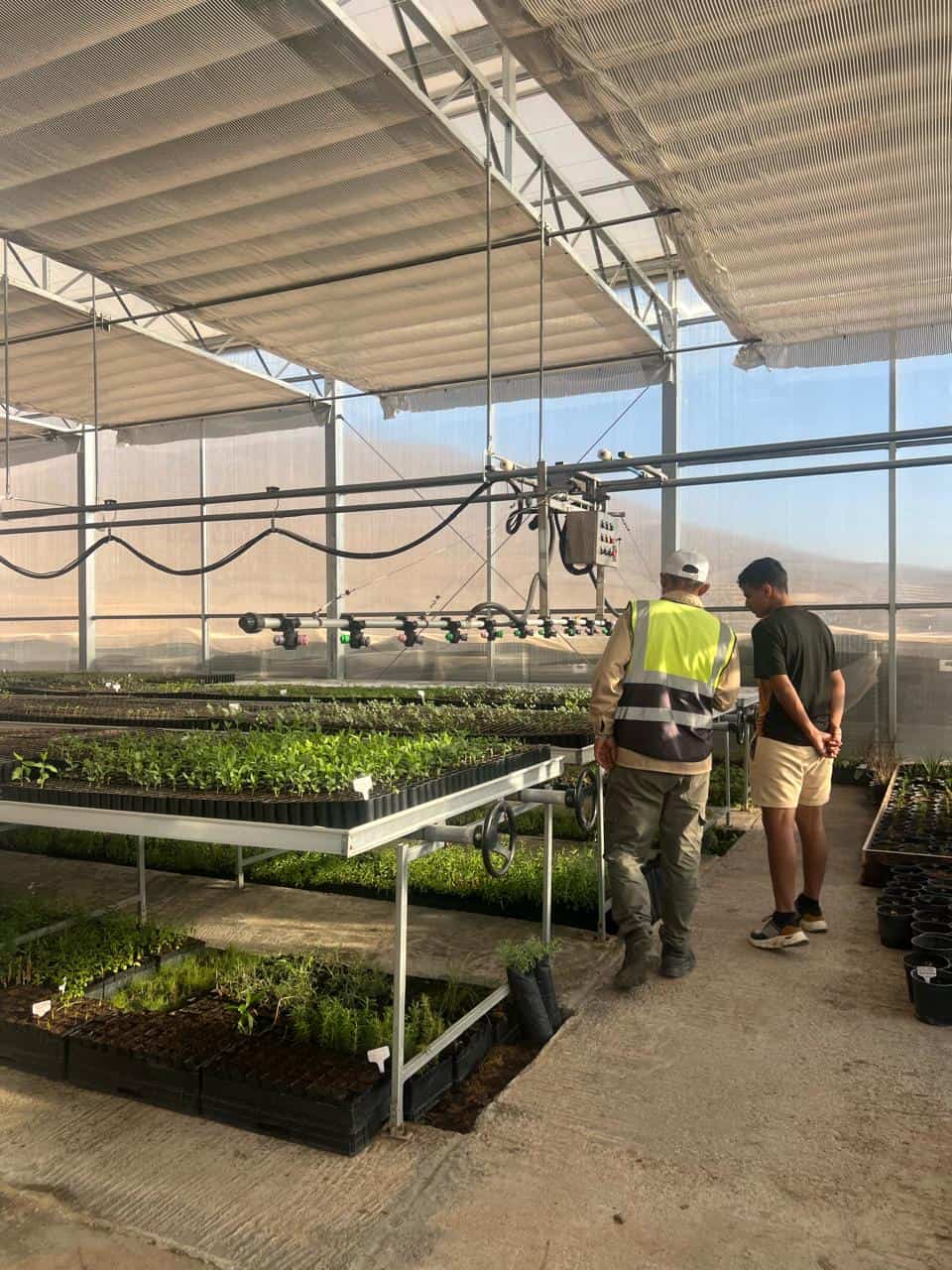
The “NEOM Communities” program is a practical example that building the future isn’t just about technology and urban development — it also starts with a child learning to respect the land they stand on.