 AR
AR EN
EN

 Climbing
Get Ready for Everest Base Camp (EBC)!
A thrilling adventure that requires meticulous preparation.
Embarking on a journey to Everest Base Camp (EBC) is a thrilling adventure that requires meticulous preparation. Here’s a comprehensive guide to ensure you’re well-prepared and properly packed for a successful and enjoyable trek.
Physical Preparation
-
1. Cardiovascular Fitness
Activities: Running, cycling.
Frequency: 3–4 times per week, 30–90 minutes.
-
2. Strength Training
Focus: Legs, core, upper body.
Exercises: Squats, lunges, planks.
Frequency: 2–3 times per week.
-
3. Endurance Hiking
Frequency: 1–2 long hikes per week.
Duration: Start with 2–3 hours, build up to 6–8 hours.
-
4. Flexibility & Mobility
Activities: Stretching, yoga.
Frequency: 2–3 times per week.
-
5. Backpack Training
Simulate: Hike with a loaded backpack.
-
6. Recovery
Rest: Adequate rest and balanced nutrition.
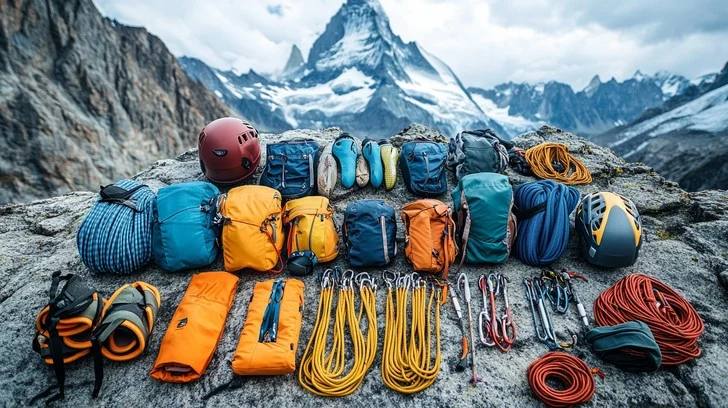
Gear and Equipment
1. Clothing
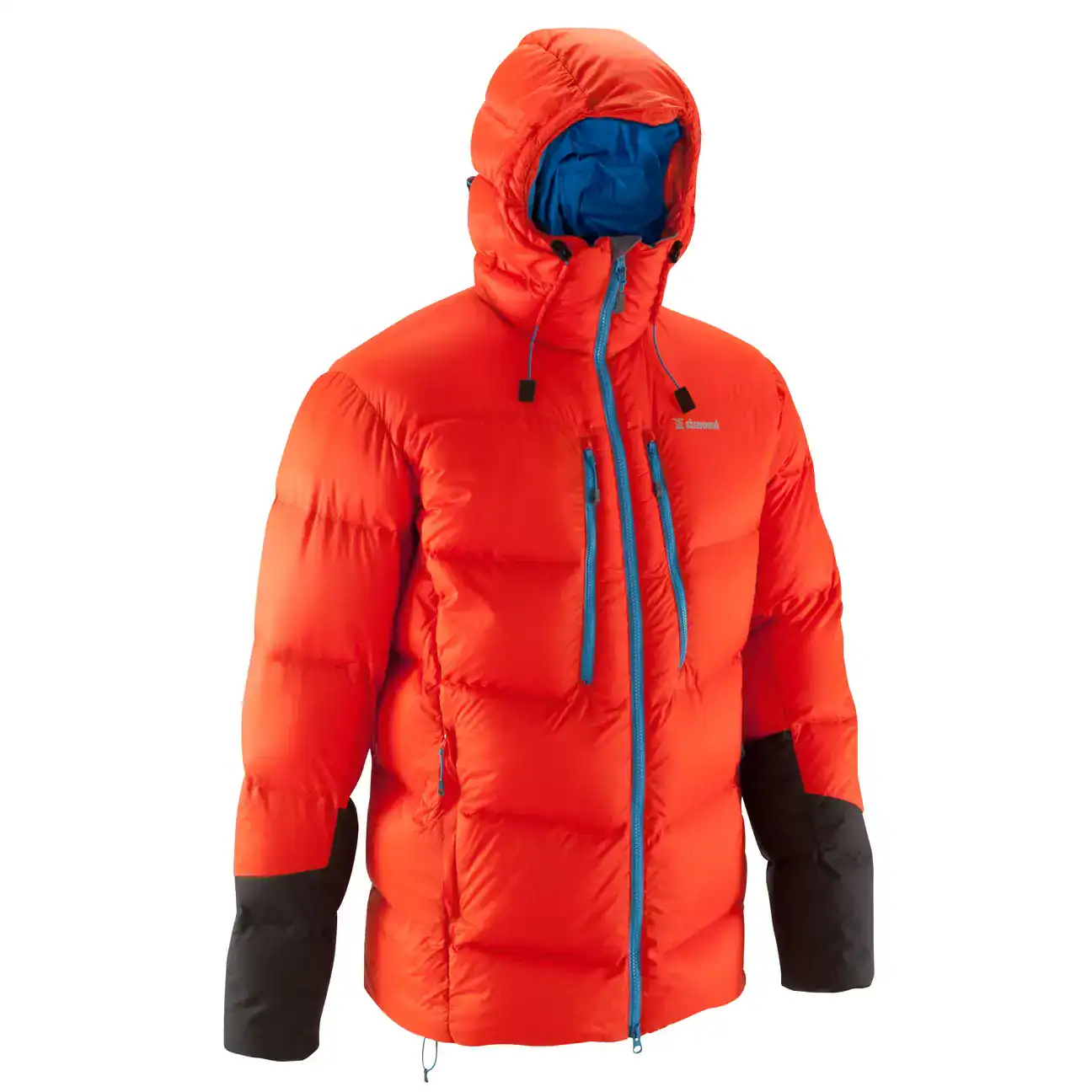
Down Jacket
Insulating mid layer for extreme cold at altitude.
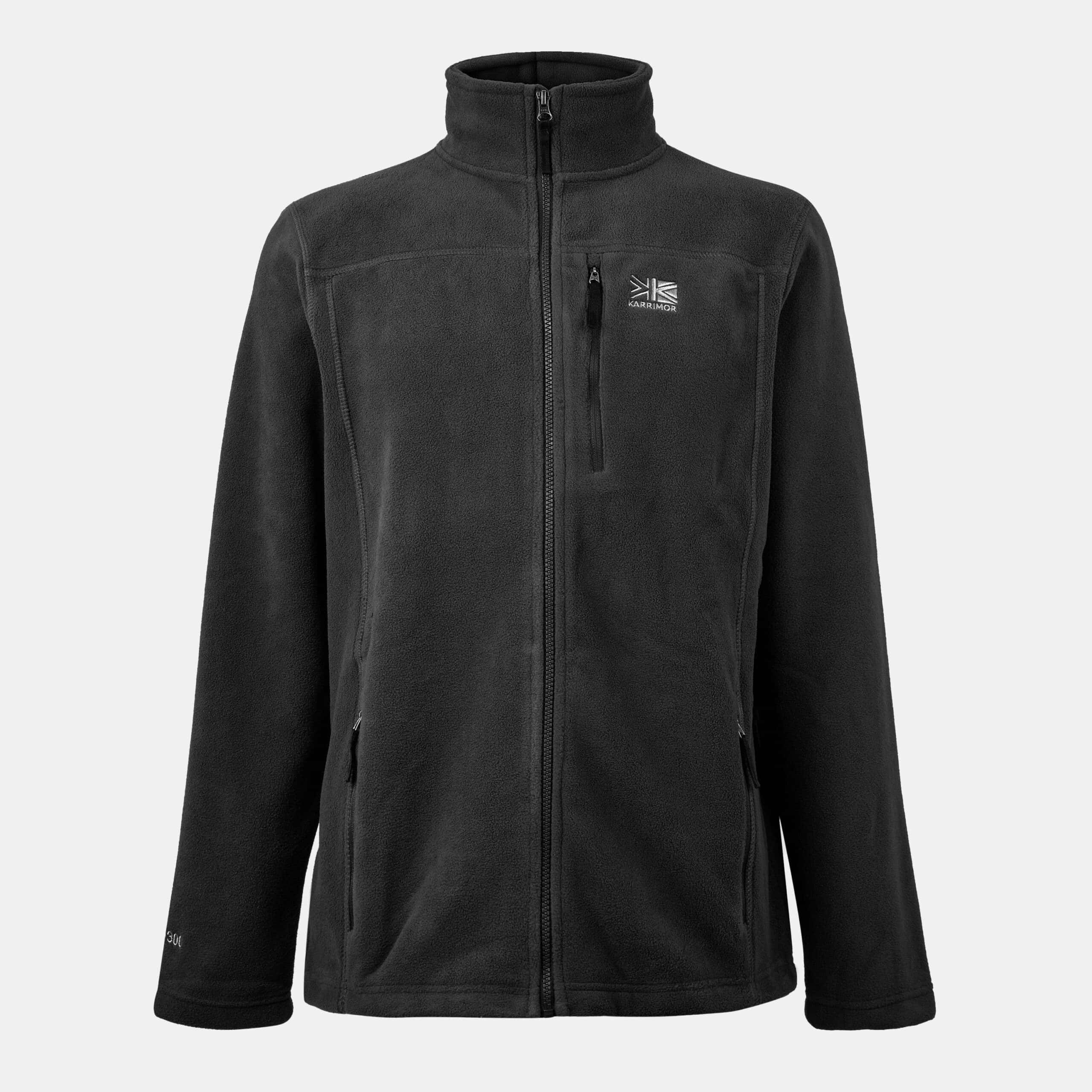
Fleece
Lightweight insulating mid layer, great for layering.
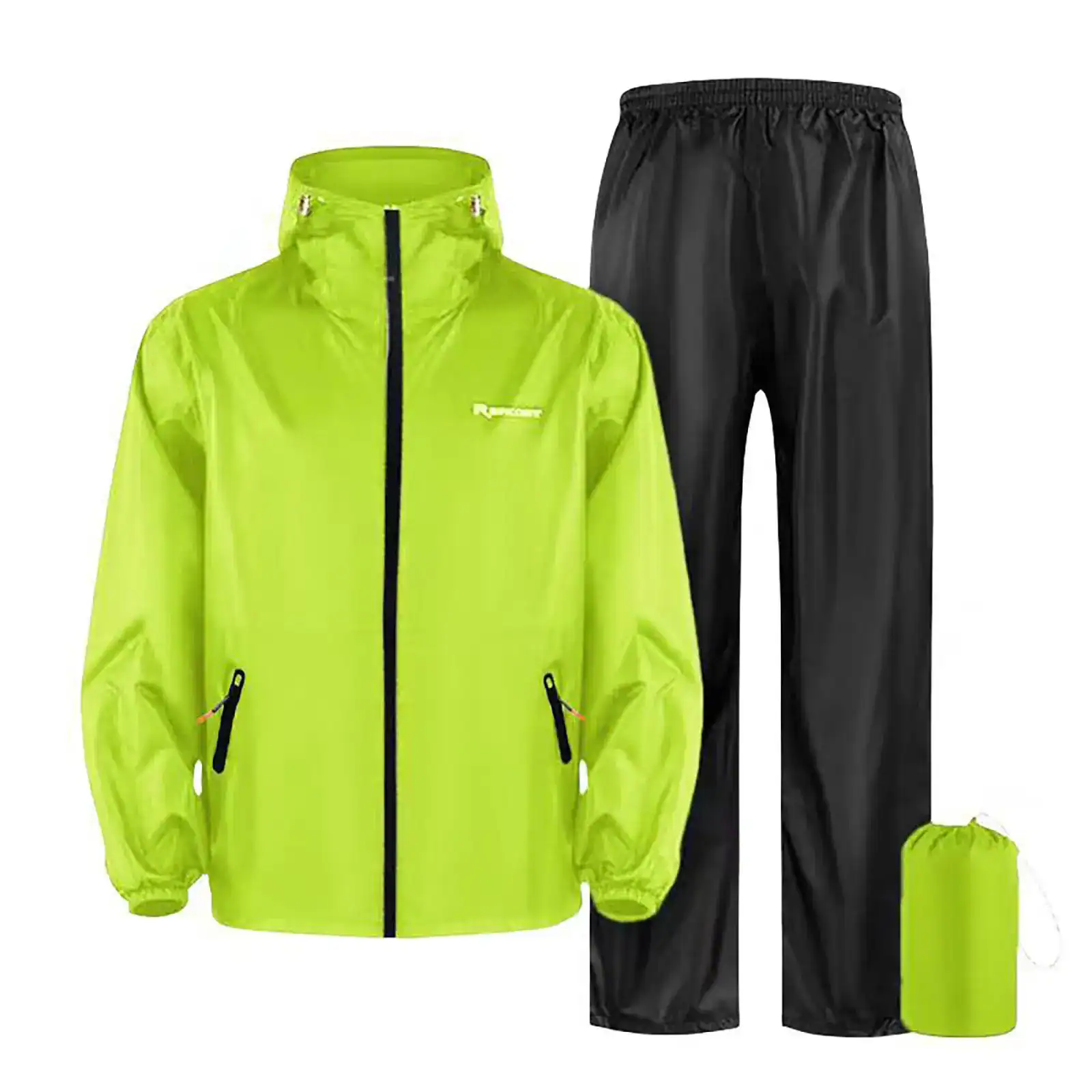
Windbreaker Pants
Waterproof, windproof outer layer for your legs.
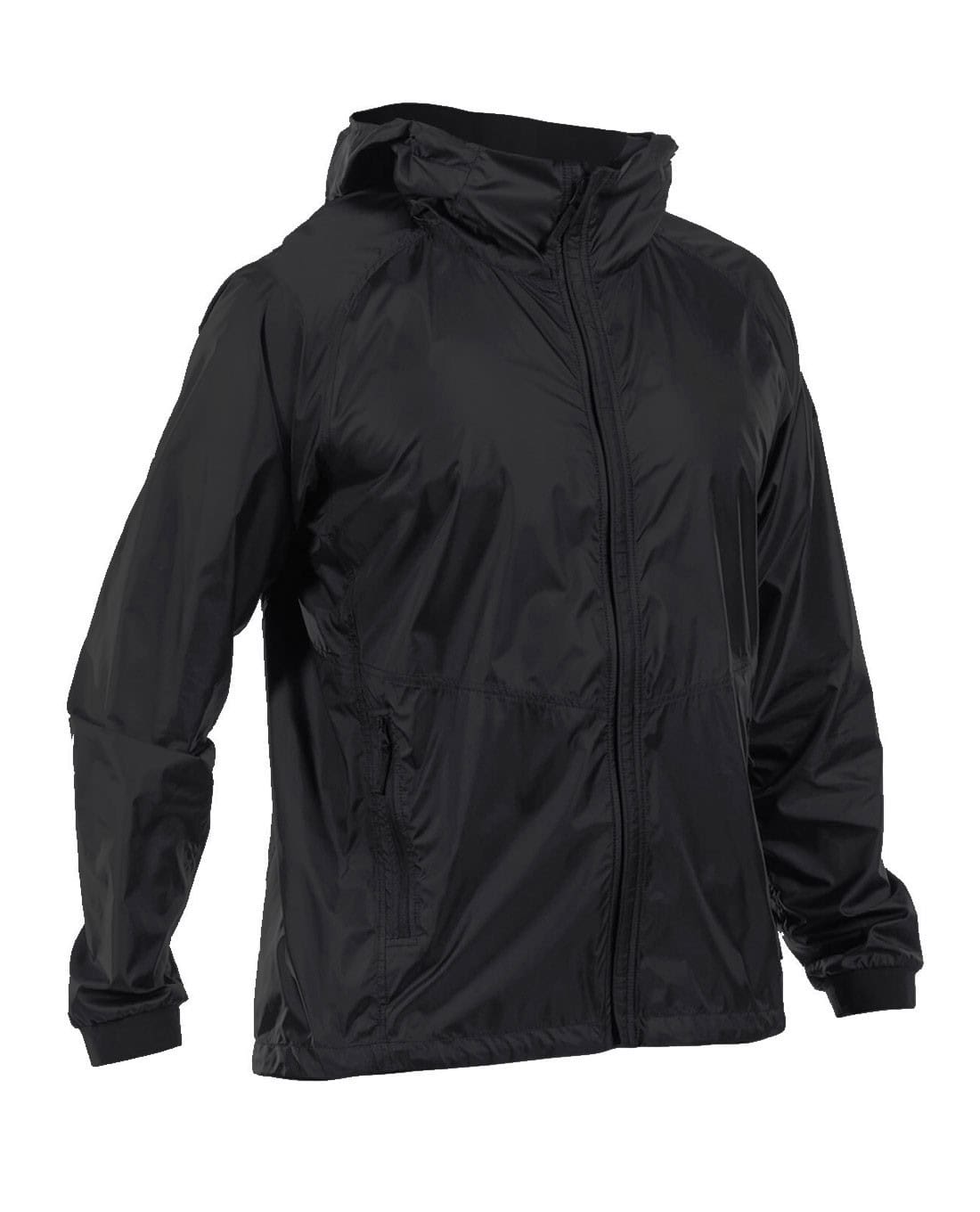
Windproof Jacket
Waterproof, windproof outer shell layer.
Underwear: Moisture-wicking and comfortable. Socks: Thermal and moisture-wicking socks, plus liners to prevent blisters. Base Layers: Moisture-wicking tops and bottoms. Mid Layers: Insulating fleece or down jacket. Outer Layers: Waterproof and windproof jacket and pants.
2. Footwear
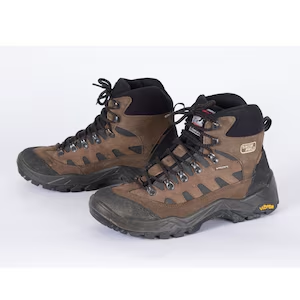
Trekking Boots
Sturdy, waterproof, and well-broken-in boots.
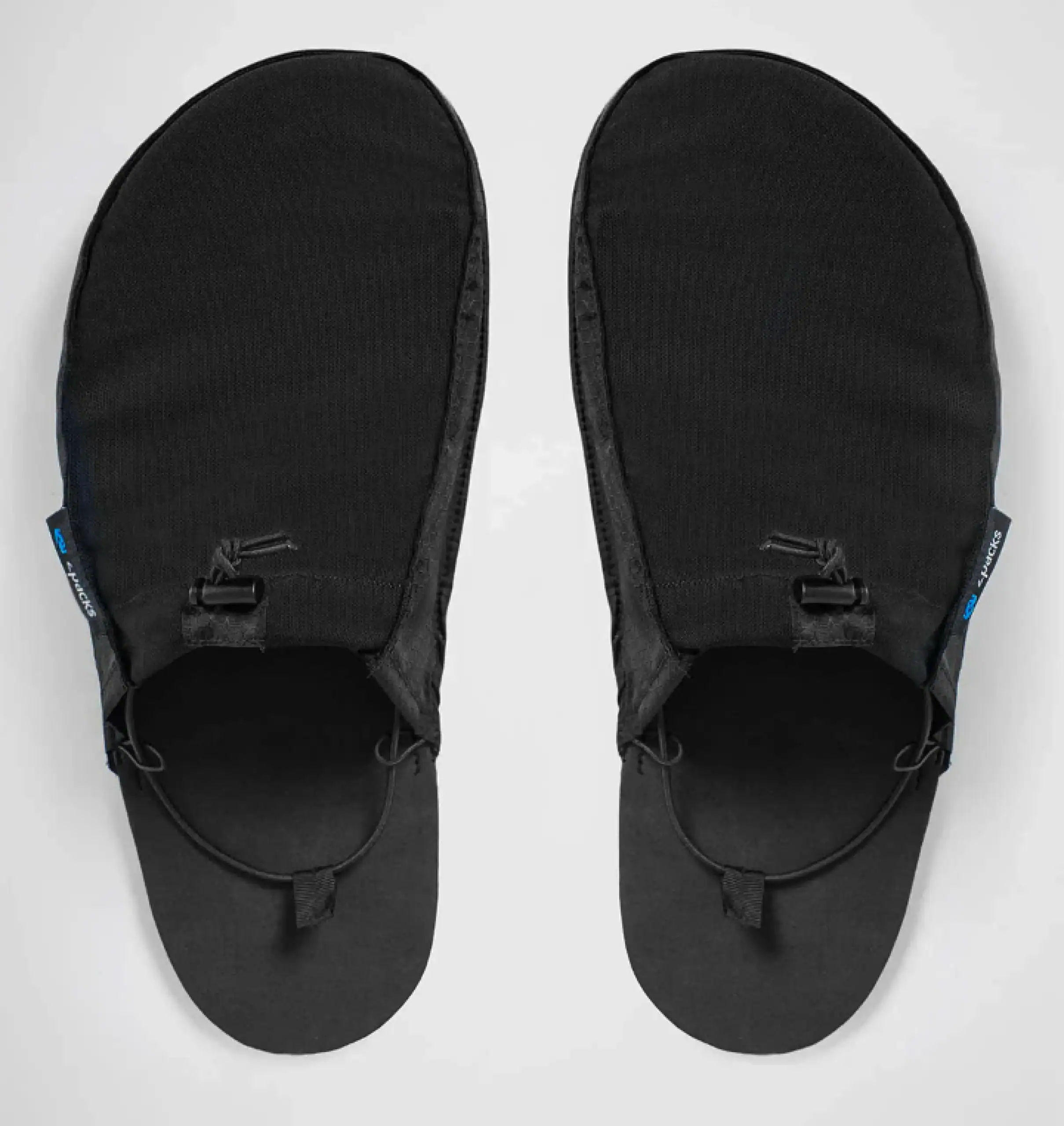
Camp Shoes
Lightweight sandals or sneakers for evenings at the teahouses.
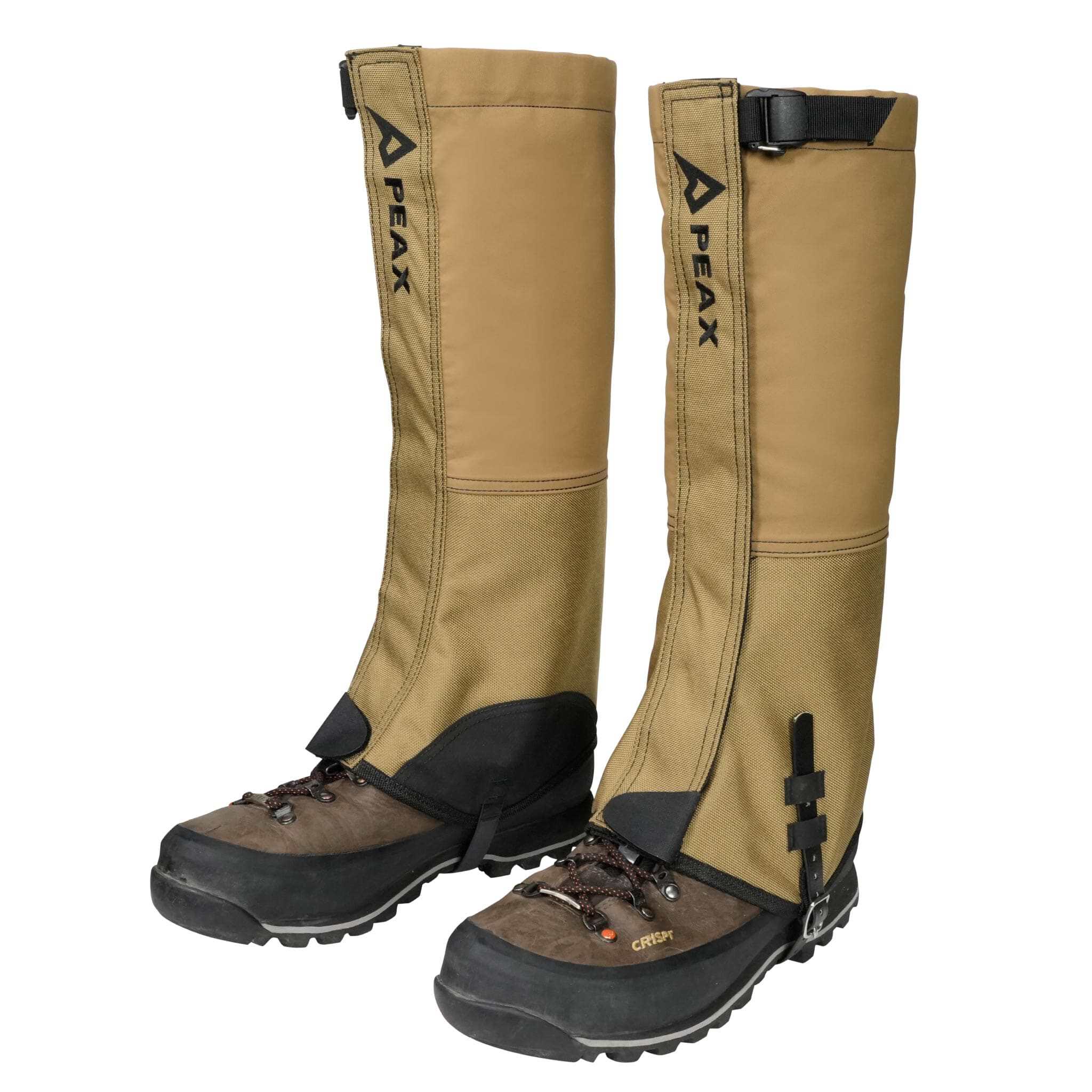
Waterproof Gaiters
To protect your legs from the water.
3. Accessories
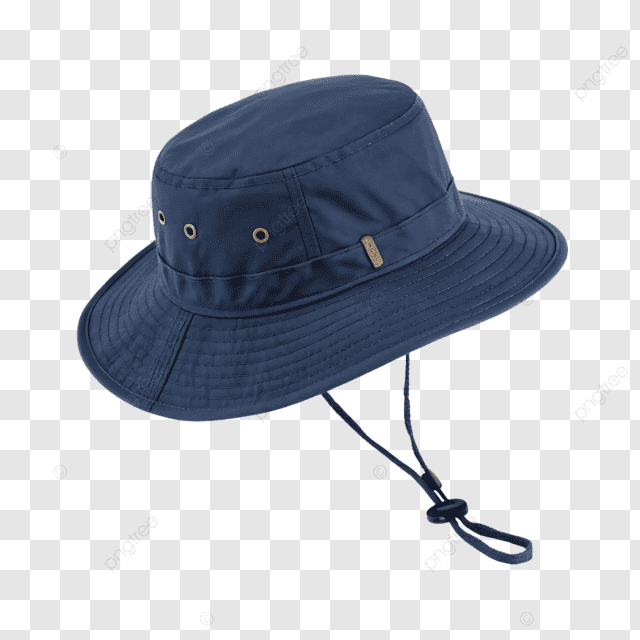
Sun Hat
Shields your face and neck on bright, high-altitude days.
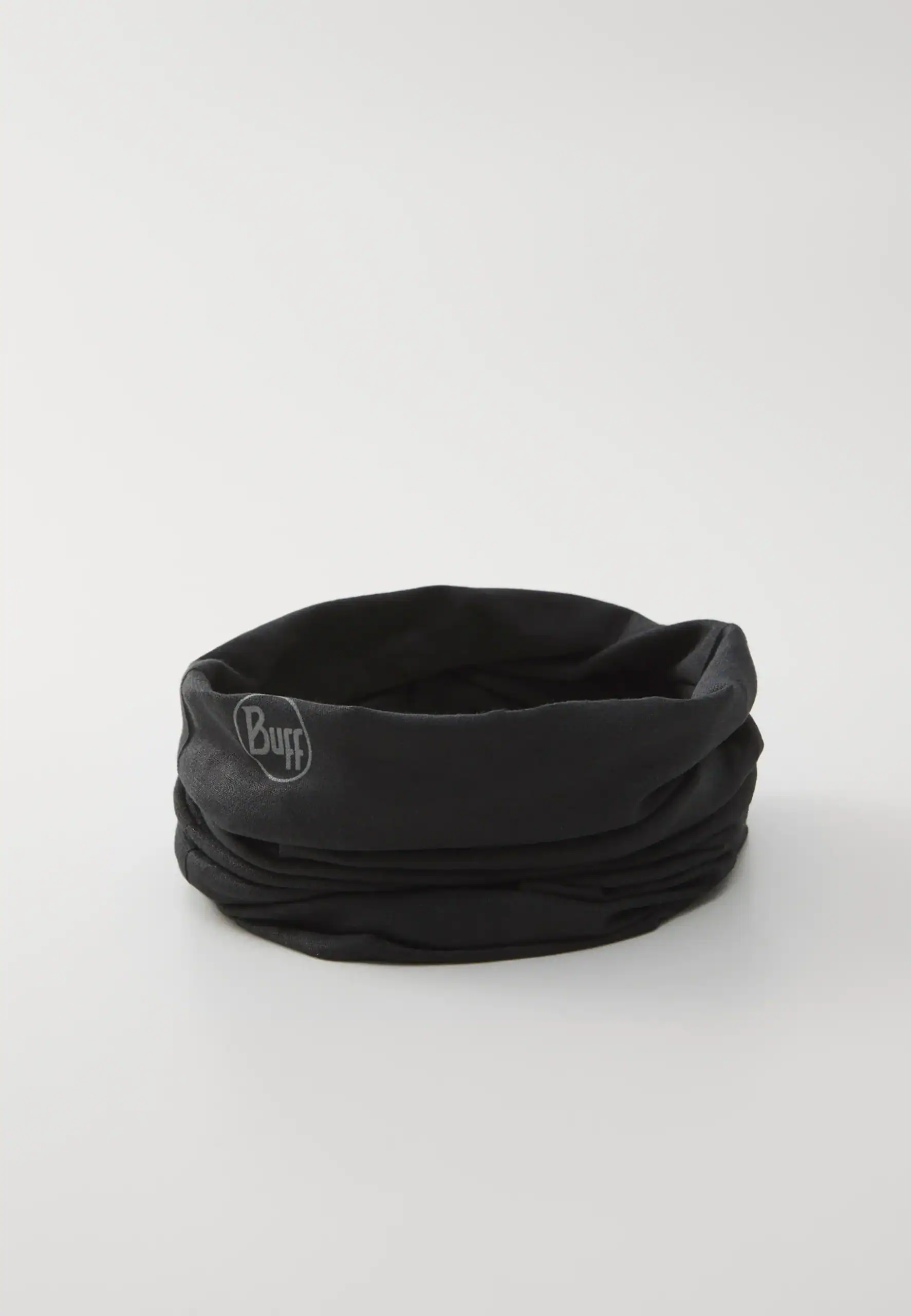
Buff / Scarf
Versatile neck and face warmth for windy stretches.
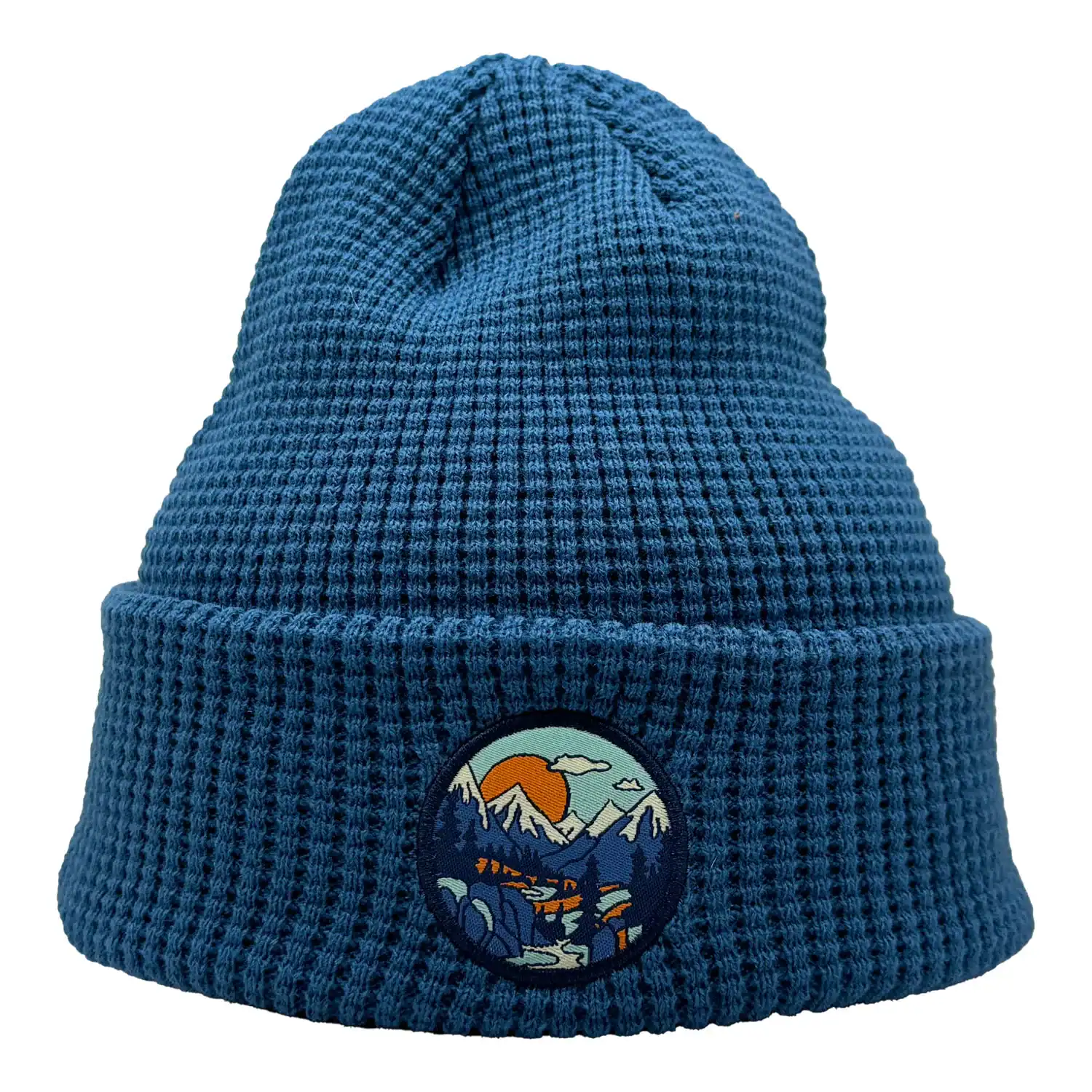
Warm Hat
Keeps you warm in cold teahouse nights and high passes.
Hat, gloves, and a buff or scarf for warmth.
4. Backpack
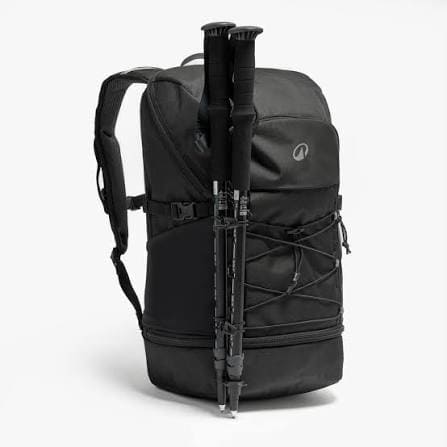
30–40L Backpack
To carry your essentials, including water, food, and extra clothing.
5. Sleeping Gear
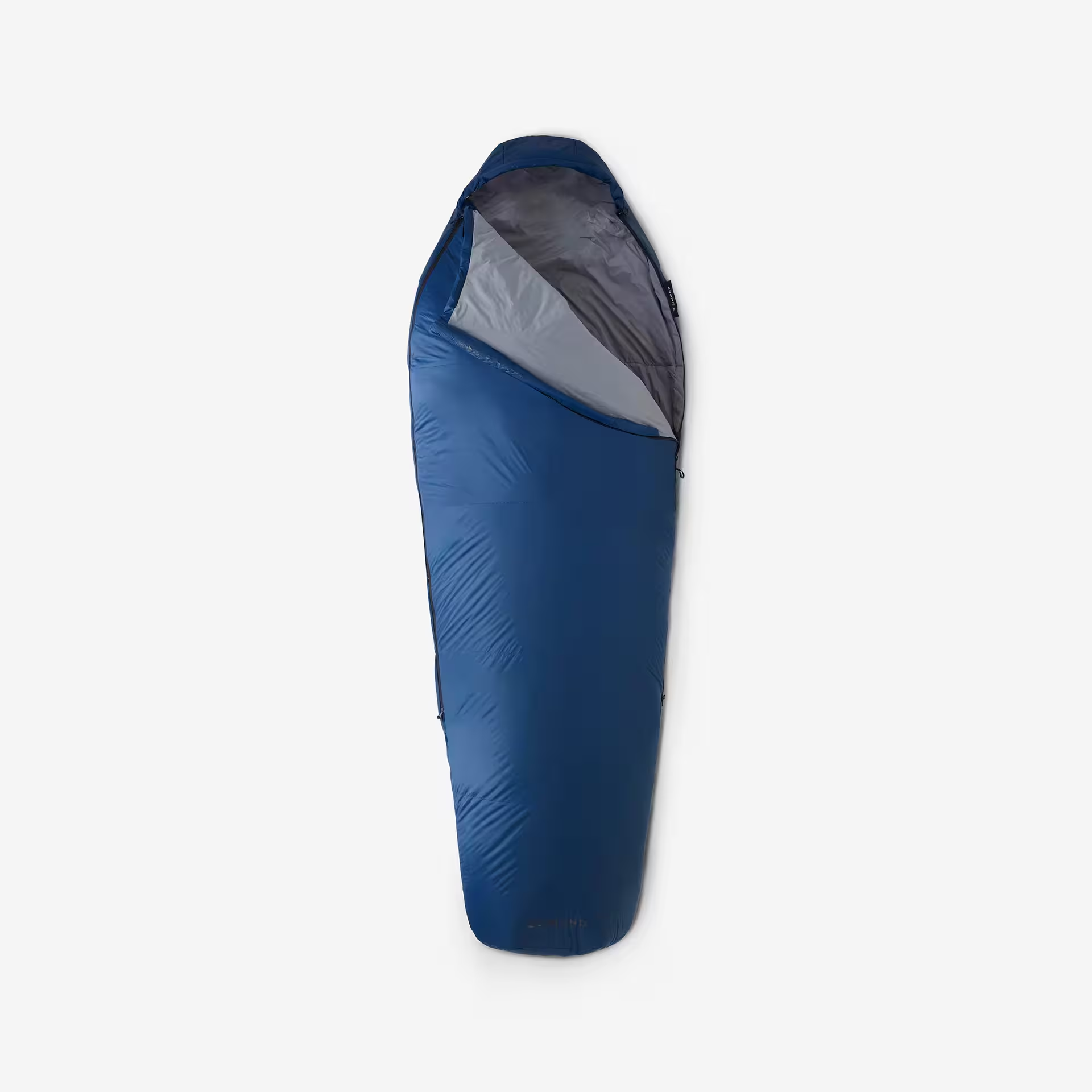
Sleeping Bag
Warm sleeping bag suitable for cold nights.
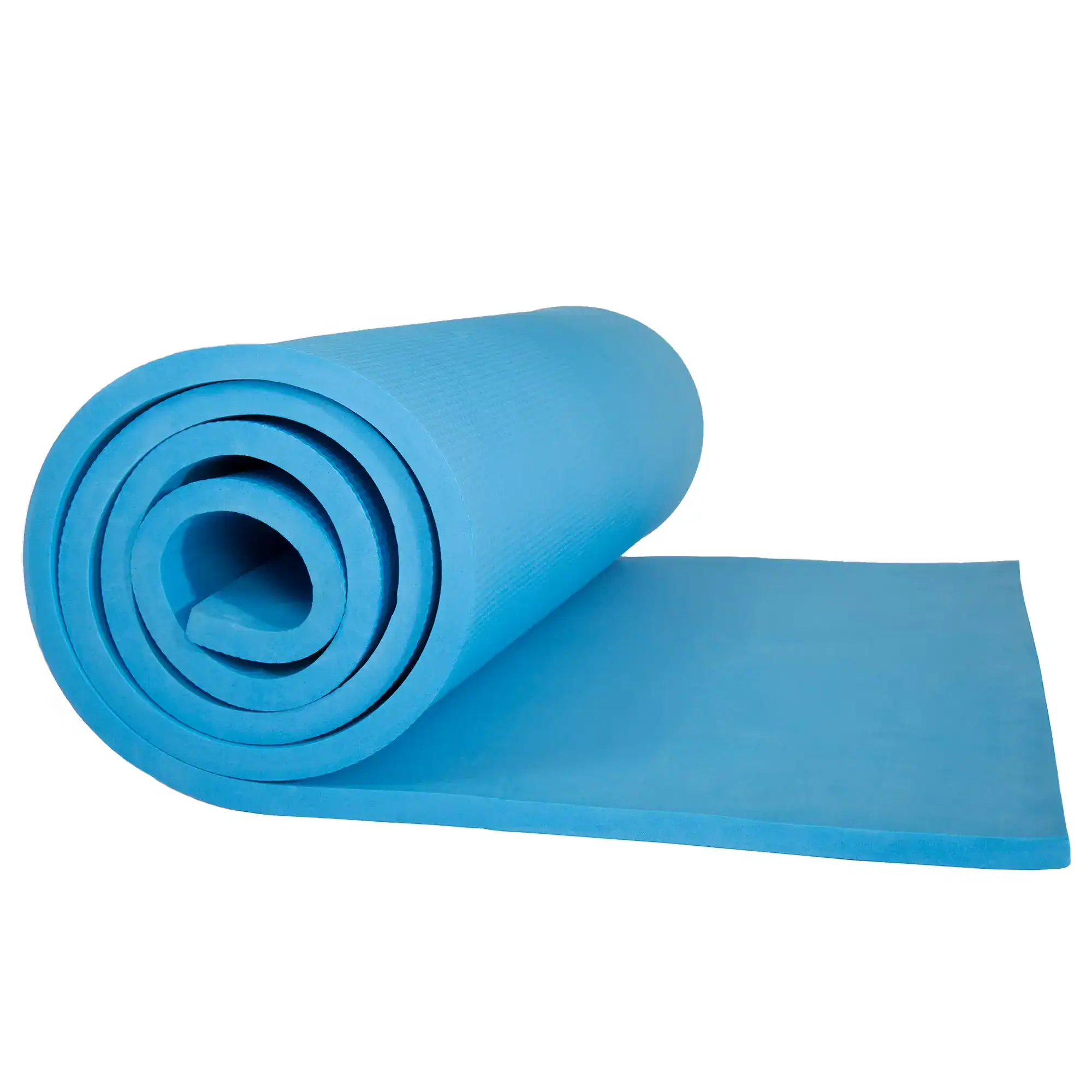
Sleeping Mat
Lightweight sleeping mat for extra insulation and comfort.
6. Trekking Poles
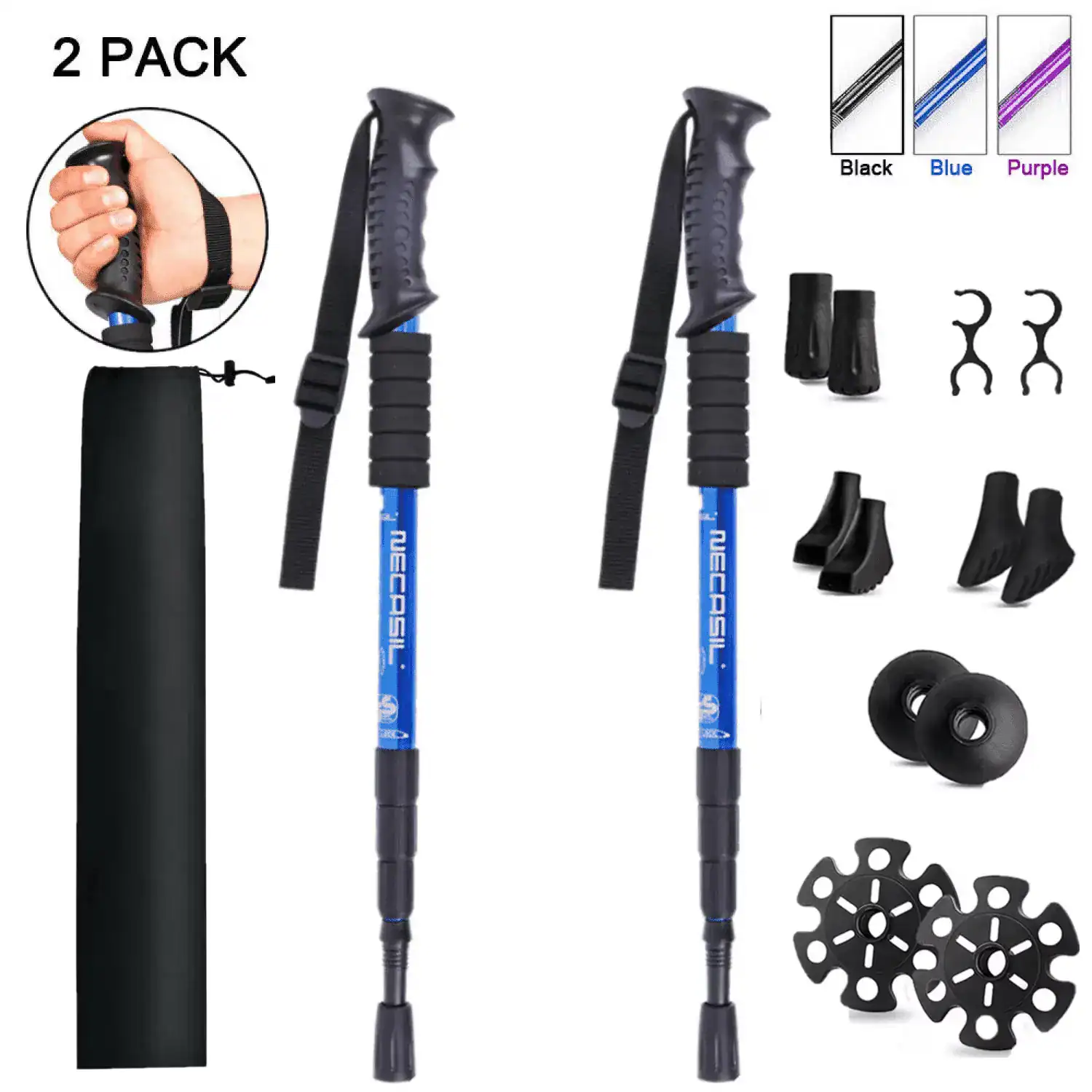
Trekking Poles
Useful for balance and reducing strain on your knees.
7. Duffle Bag
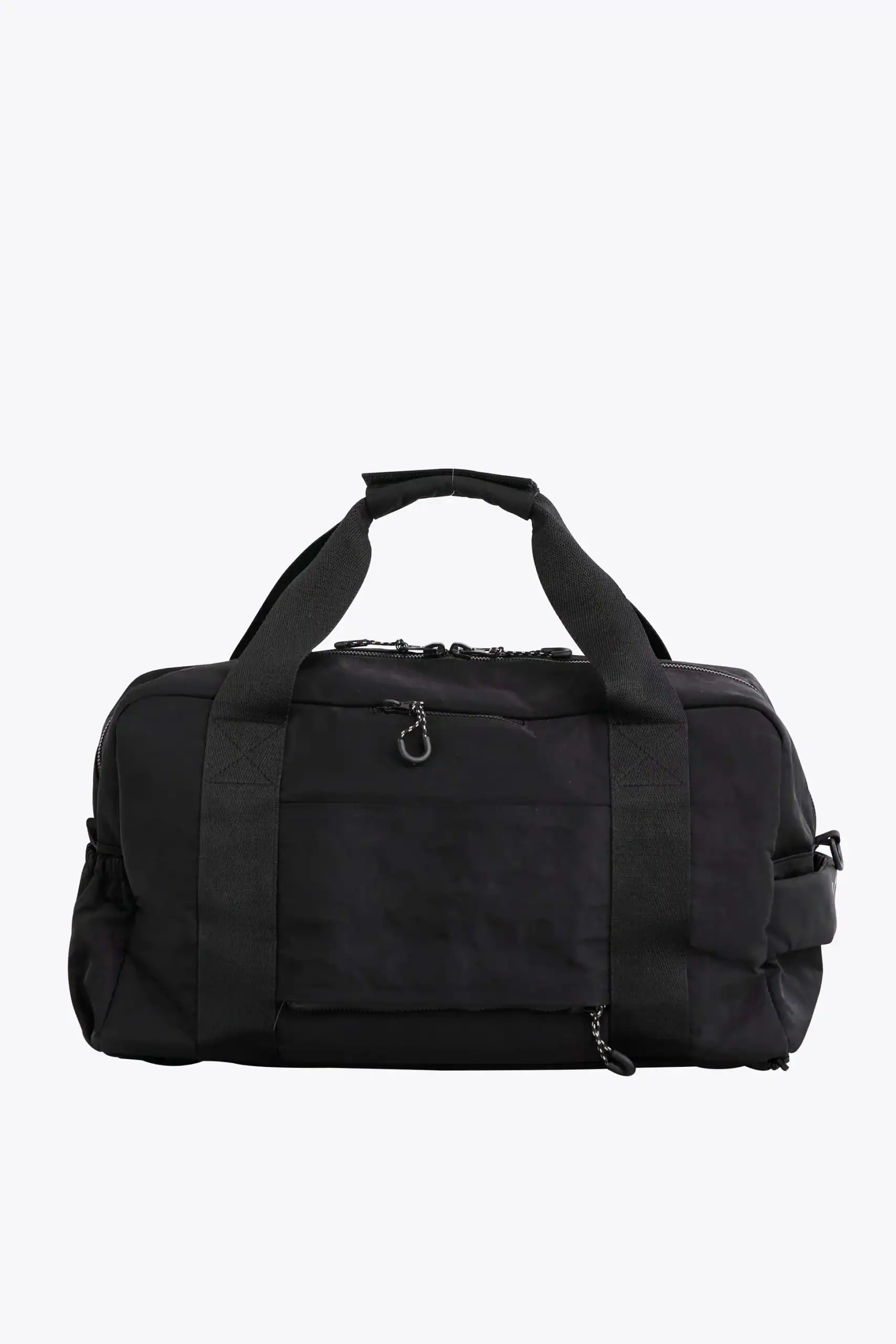
Duffle Bag
A duffle bag is required instead of a hardcase bag.
Essentials
Water & Food
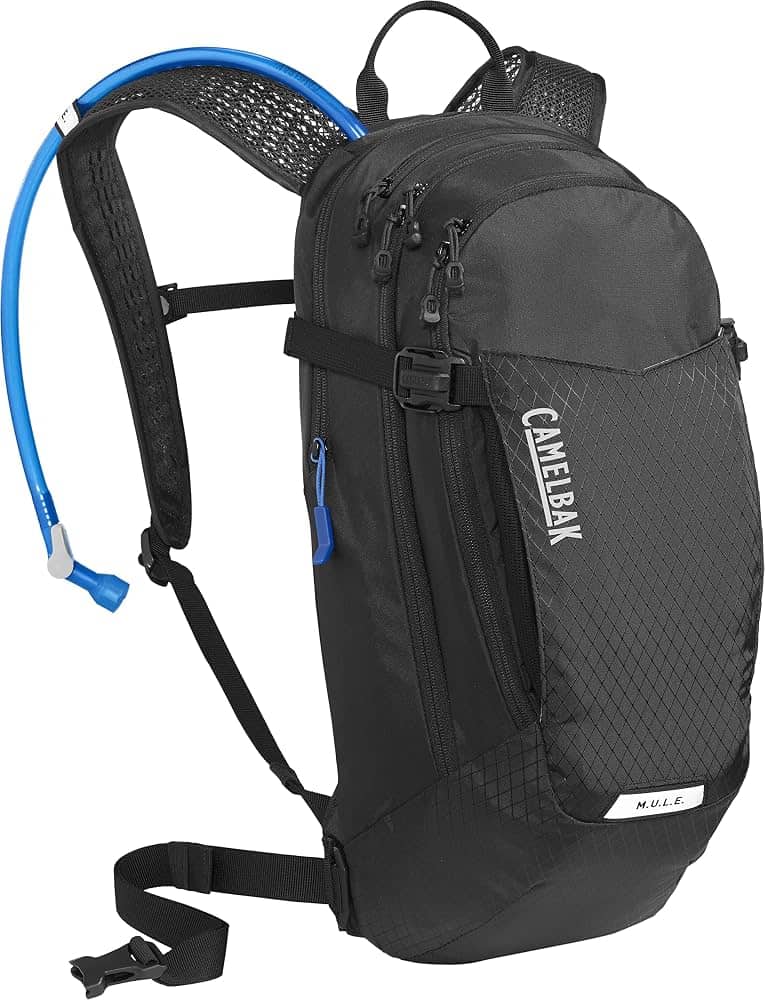
CamelBak / Hydration Pack
Carry at least 2–3 liters of water; a hydration pack is preferred.
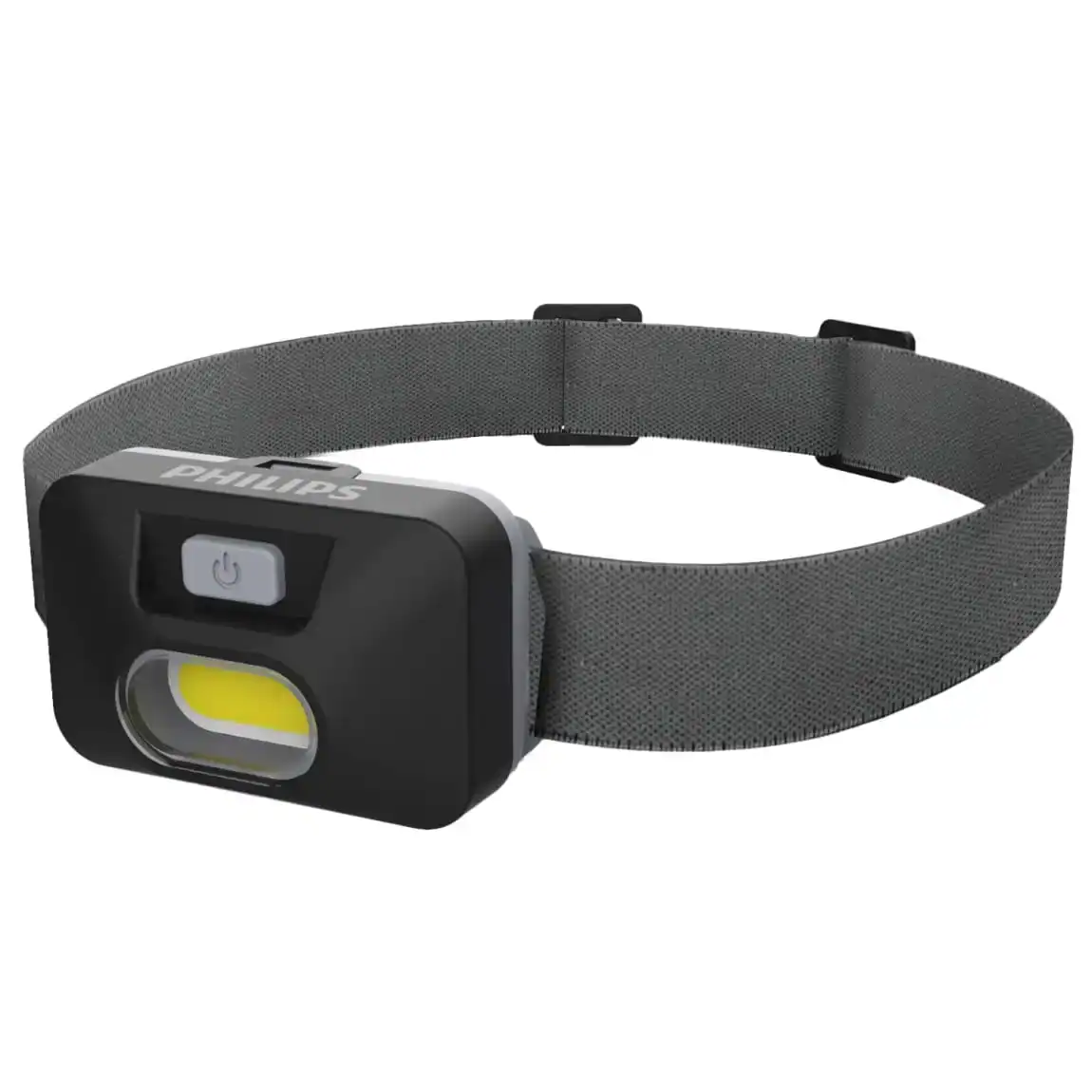
Headlamp
With extra batteries for early starts or late finishes.
Bring high-energy snacks and lightweight meals.
- Sunscreen and Sunglasses: To protect against the strong sun at high altitudes.
- Charger and Power Bank: As you ascend, electricity becomes limited. We encourage you to reduce phone usage and use this time to rest and observe nature. In Nepal, they use Type C, D, and M plugs — don’t forget your adapter.
- Travel Insurance: Purchase travel insurance that covers high-altitude trekking and emergency evacuation. We recommend World Nomads, known for their comprehensive coverage tailored for adventurous travelers.
- Toiletries: Soap, wet wipes, toothbrush, quick-dry towel, hand sanitizer, foot powder, dust mask, ear plugs, etc.
- Snacks: Energy bars, nuts, dried fruit, and chocolates.
- Camera/Phone: To capture memories, along with power banks and charging cables.
- Cash: Carry small amounts of Nepalese Rupees to buy water and snacks along the way. Keep some extra for tips for guides and porters.
Trekking to Everest Base Camp is a once-in-a-lifetime experience. Proper preparation and packing can make the journey safer, more comfortable, and ultimately more enjoyable. Follow this guide to ensure you’re ready for the adventure of a lifetime.
May the summit be yours!
To Be Part of Our Adventures